Video ads · creator style
UGC style ads without a shoot
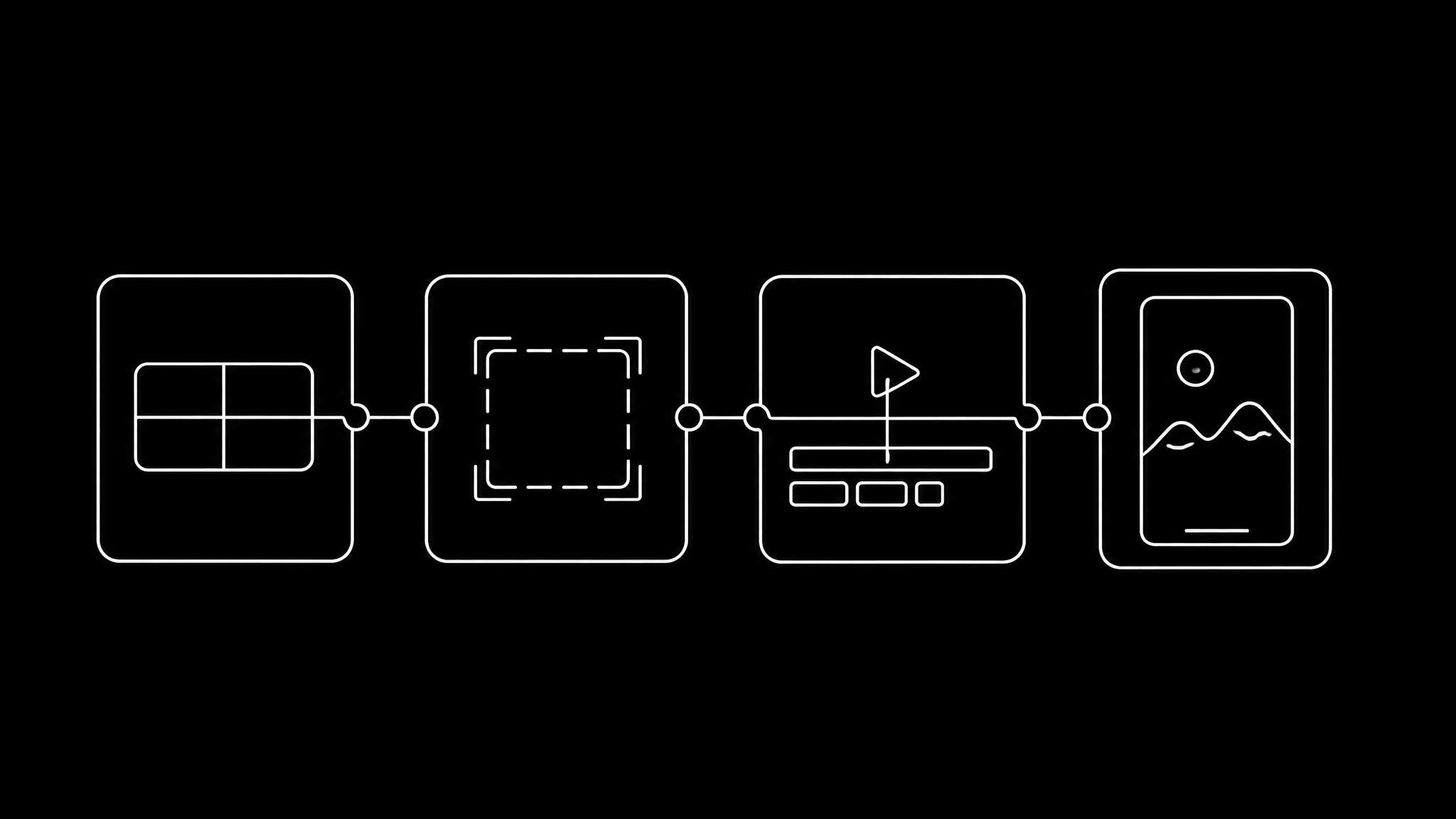
An AI UGC ad is a creator style video ad assembled from four decisions: a format that already works, a script of about twenty seconds, a talking avatar rendered in 4:5, and cutaways around it. On Percify each piece has its studio: Content Replication for the format, Avatar Studio for the spokesperson, Voice Studio for the voice and Realtime Video for the cutaways. The part AI cannot supply is proof, and a generated face should never pose as a real customer.
- 20 s
- a good length for one idea
- 2
- credits a second, fast model at 480p
- 4:5
- the workhorse feed ratio
- 40
- credits, a 20 second fast clip
Credits cost about 2 cents each depending on the plan, so a minute of talking video at 120 credits works out at roughly $2 to $3.
Four decisions, not one button
There is no button that turns a product into a converting advert, here or anywhere else. There is a short set of decisions, each with a right answer more often than people assume: which format you are performing, how long, whose face and voice, and what proof makes the claim believable.
Length and shape
Short wins. For an ad, write twenty seconds: one line of hook, two or three of substance, one of exit, and read it aloud before rendering.
Use 4:5. It takes more of a feed than 1:1, survives being cropped to 1:1, and is not letterboxed the way full 9:16 can be when a platform shows it in feed.
The pieces that build it
The order that works is format first, then the words written to it, then the render. See remake a viral video and realtime AI video.
| Piece | What to use |
|---|---|
| A proven structure | Content Replication: paste a short that already worked |
| The spokesperson clip | Avatar Studio: one photo, one script, 4:5 |
| The voice | Voice Studio: your clone, or one of 52 presets |
| Cutaways and product shots | Realtime Video: 5 to 15 second clips, fast |
| The same ad in another language | A dub with the mouth regenerated from the new track |
What competitor ad data can tell you
A brand market scan has an optional leg that pulls competitor creative from the Meta Ad Library. It shows what rivals pay to run, their creative and their claims. It does not carry view counts, so it cannot tell you what works. For ranking, use organic signals; both are covered in competitor video analysis.
Proof, and the line not to cross
The hook and the cutting can be replicated. The proof cannot, and it decides whether the ad works: a number you actually have, a before and after you actually ran, a real message from a real customer. A generated face reading a real result is a different object from a generated face making a claim.
A UGC style ad borrows the look of creator content. It must never present a generated person as a real customer or a genuine testimonial. Use real customer words only with permission, and disclose AI where it matters. See ethical AI video generation.
Build an ad in four steps
- 1
Find three long running ads
In your category. An ad that has run for weeks beats a clever one from yesterday.
- 2
Pick one structure
Paste it into Content Replication, or write to its shape by hand.
- 3
Write twenty seconds with proof
Hook, substance, exit, with a real number in the substance.
- 4
Render 4:5 and add cutaways
At 480p, then five second realtime clips instead of stock footage.
Spokesperson clips
Real Percify output: short, framed for feeds, one message each.
Product ad
a short spokesperson clip
Alex
talks from one photo
Christine
a presenter close up
Frequently asked questions
What is an AI UGC ad?
A creator style video ad where the presenter is a talking avatar, built from a proven format, a short script, a 4:5 render and cutaways, without a shoot.
How long should a UGC ad be?
About twenty seconds: one line of hook, two or three of substance, one of exit.
What aspect ratio should a UGC ad use?
4:5 for feed placements. It fills more of the feed than square and survives a square crop.
Can I see what ads my competitors are running?
A market scan's ad library leg shows the creative and claims competitors pay to run. It has no view counts, so it shows what they buy, not what works.
Can an AI avatar give a customer testimonial?
No. A generated face must not be presented as a real customer. Use real customer words only with their permission, and say when a presenter is AI generated.
Keep reading
Make your first creator style ad
A proven format, twenty seconds of script, one real number.