Content Replication · short video
Remake a viral video: the format, not the footage
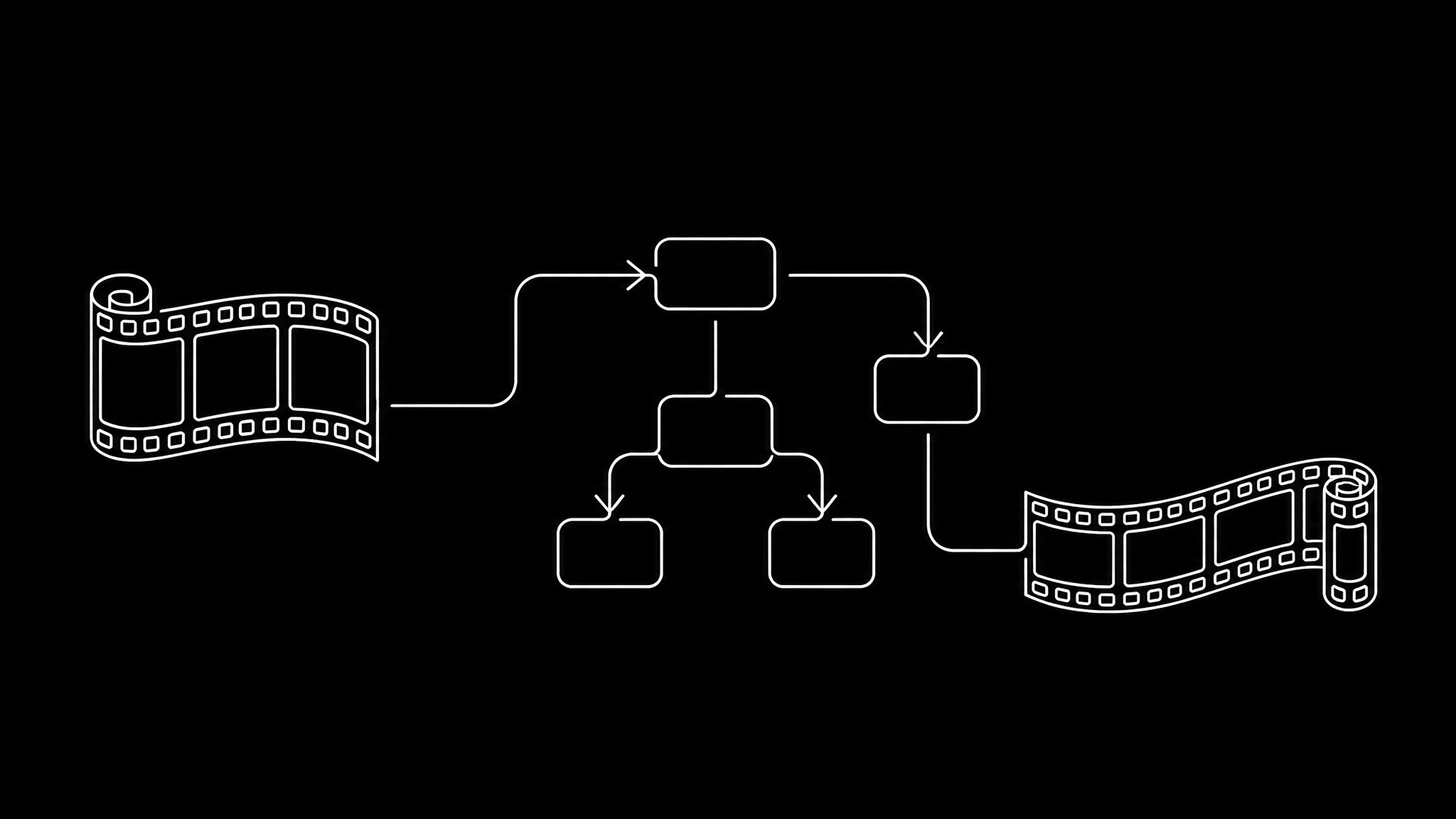
To remake a viral video with AI, paste a TikTok, Reel or Short under two minutes and Percify reads it into a shot by shot blueprint: every cut, camera move, transition, overlay and sound hit. Each clip is then generated fresh against the source keyframes, performed by your avatar with your words, and stitched back together. Nothing from the original footage appears in the output. The cutting, the music bed and the sound design carry over, because those are what make a format recognisable.
- 2:00
- maximum source length
- 5 credits
- to read a short into a blueprint, refunded if it fails
- 9
- source keyframes, at most, used as references
- 0
- frames of the original reused
Credits cost about 2 cents each depending on the plan, so a minute of talking video at 120 credits works out at roughly $2 to $3.
What the blueprint captures
The source is read into a shot accurate plan. For every clip it records:
- Purpose: hook, build, payoff, call to action or transition, and what the clip hands to the next one.
- Camera: framing, movement and intensity. Subtle drift counts as movement; only a truly locked off shot is static.
- Beats: one line per second of what happens.
- Audio, split three ways: who speaks and how, what the music bed does, and each sound effect with the second it lands.
- Overlays: captions, headlines and stickers, with their position, animation and timing.
- Layout: single frame, split screen, picture in picture, grid or cutout, each region with its own camera move.
- The transition out: how long it takes, which way it travels, and what sound lands on the cut.
The voice is the script. The music and sound are the format.
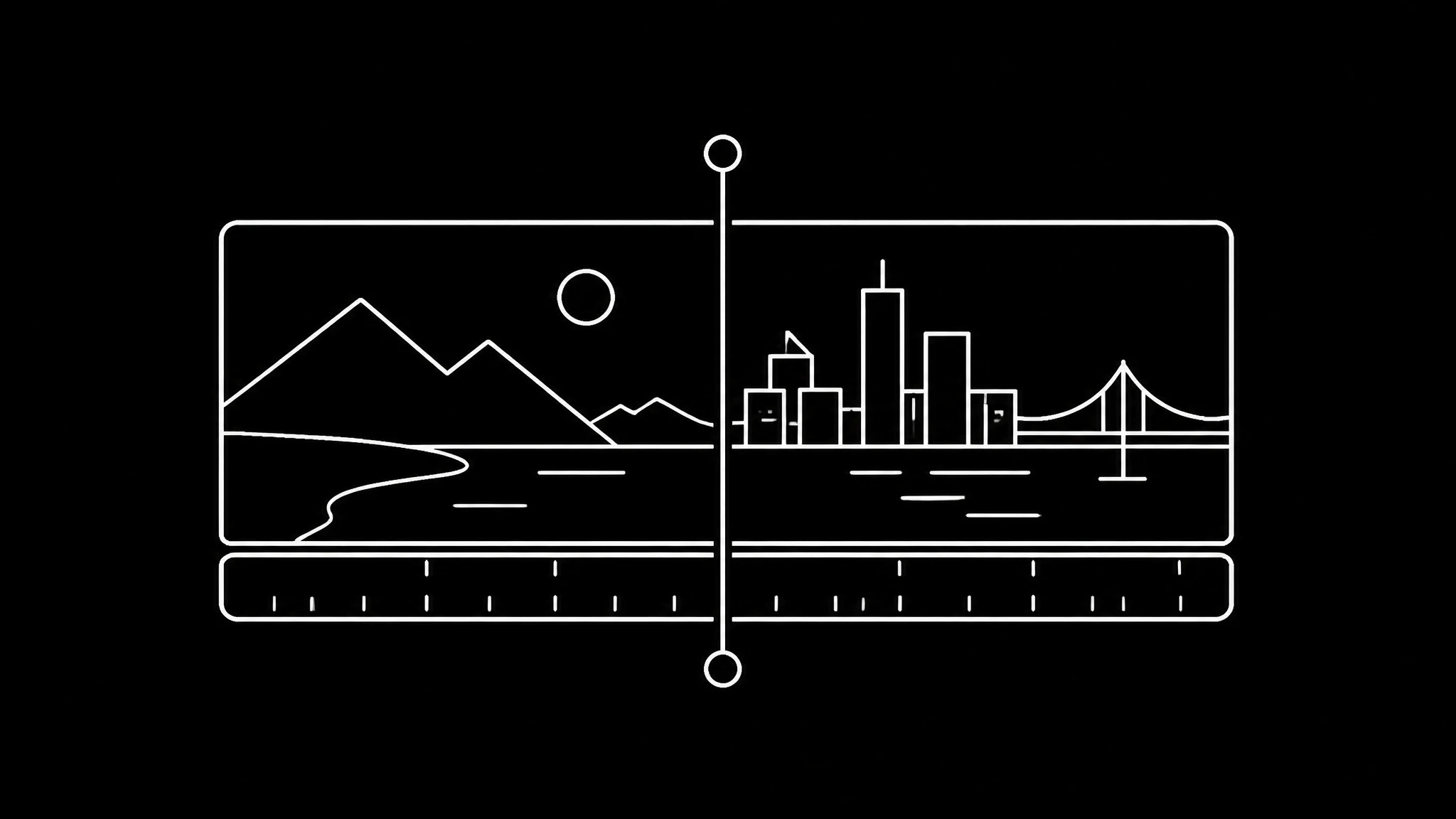
When a format gets reused, the words change and the bed stays. That is why one sound can carry a template across thousands of videos while every script is different. Treating the audio as one blob is why most remakes look similar and still feel wrong: a hard cut with a whoosh on it is a different edit from a silent hard cut.
Keeping characters consistent across clips
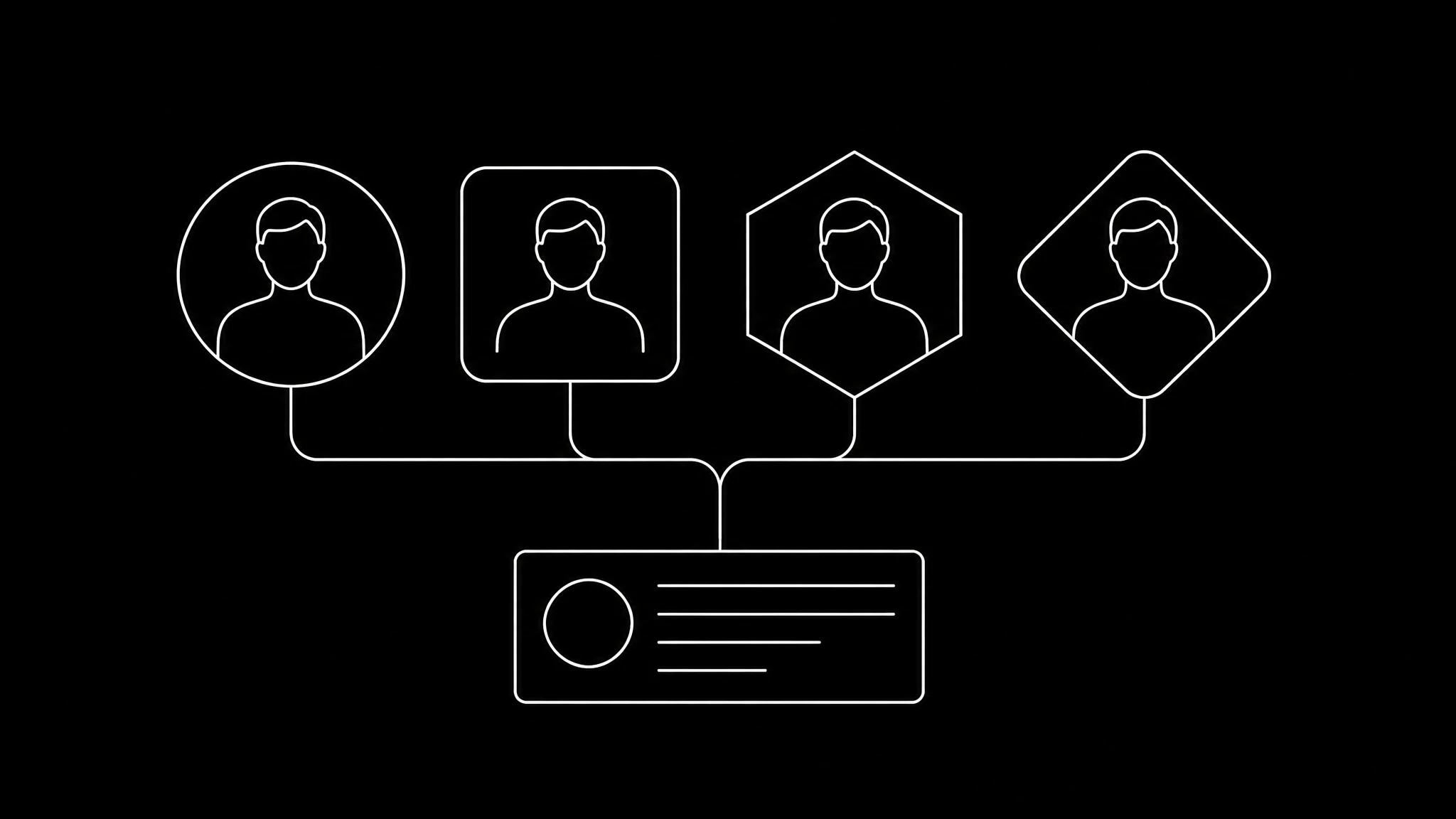
Each clip is generated independently, and nothing carries between them on its own, so a person can quietly become someone else by the third shot. The fix is deliberate repetition: every recurring subject gets one canonical description, reused almost word for word in every clip it appears in, and up to nine of the source keyframes are fed to the model as references.
Source limits
TikTok links ingest directly. YouTube and Instagram links can be stopped by a bot check on shared cloud networks, so for those, uploading the trimmed file is the reliable path.
| Limit | Value |
|---|---|
| Maximum source length | 2:00 |
| Maximum uploaded file | 150 MB |
| What to paste | A TikTok, Reel or Short, or a trimmed upload |
What a remake costs
Reading the short into a blueprint is a flat 5 credits, about 10 cents, and it is refunded if the read fails. Generating the clips is quoted before you start: Percify shows the maximum credits for the model and quality you picked, and the real charge is usually lower, because adjacent shots are packed into a single take. Clips that fail are refunded.
If you already paid to break the same video down with the breakdown tool in the last 30 days, the read is free the second time. Re-running the same tool on the same link charges again, because that is a fresh blueprint you asked for.
| Step | What it costs |
|---|---|
| Reading the short into a blueprint | 5 credits, about 10 cents |
| A read that fails | refunded |
| Generating the clips | quoted before the run, per model and quality |
| A clip that fails | refunded |
| The same video through both tools, within 30 days | read charged once |
Then you watch them side by side
A run ends in a synced viewer: the original on the left, your version on the right, playing together, with a downloadable comparison. It is an uncomfortable way to judge a remake, which is exactly why it is useful.
What you can take, and what you cannot
The structure of a format is fair game. The footage and the likeness are not. The remake reuses no pixels from the original, and it should be performed by a face you have the right to use: your own, cloned from one photo, or a preset. Start with clone yourself.
Remake a short in four steps
- 1
Find a format that works
A short that has kept earning views for weeks beats a clever one from yesterday.
- 2
Paste the link or upload
Anything under two minutes. For YouTube or Instagram, upload the trimmed file.
- 3
Write your words
The structure is kept; the script is yours, performed by your avatar.
- 4
Compare side by side
Watch the original and the remake together before you publish.
Formats worth performing again
Real Percify output. The first is a short remake; the others are the kind of formats people remake.
Alex
a short remake
Dance trend
a format built on its sound
Travel vlog
a vlog structure, no filming
Frequently asked questions
Can AI remake a viral TikTok?
It can remake the format. Paste a TikTok, Reel or Short under two minutes and Percify rebuilds it shot by shot with your avatar and your words, generating every clip fresh.
Does it copy the original video?
No pixels are reused. What carries over is the structure: the cuts, camera moves, transitions, overlays, the music bed and the sound hits. Each clip is generated against the source keyframes, not copied from them.
How much does it cost to remake a video with AI?
Reading the short into a blueprint is a flat 5 credits, about 10 cents, refunded if the read fails. The clips are quoted before the run for the model and quality you picked, and that quote is an upper bound: adjacent shots are packed into one take, so the real charge is usually lower. Failed clips are refunded.
How long can the source video be?
Up to two minutes, and uploaded files up to 150 MB.
Why do some YouTube or Instagram links fail?
Those platforms can block shared cloud networks with a bot check. TikTok links work directly; for the others, upload the trimmed file.
How do characters stay the same between clips?
Every recurring subject gets one canonical description reused in every clip, and up to nine source keyframes are passed to the model as references.
Keep reading
Remake a format that already works
Paste a short under two minutes. Keep the structure, change the face and the words.