Voice Studio · troubleshooting
Fix a voice clone that sounds flat
A voice clone that sounds flat, robotic or not quite like you is almost always a sample problem, not a model problem: the recording was too short, too even, too echoey or too uneven in volume. The clone copies what it hears, room included. Record 15 to 30 seconds with some range in it, in a soft room at a steady distance, and clone again; saving a clone is free. The engine needs at least 5.6 seconds; anything shorter is padded by repetition, which is why short clones sound thin.
- 5.6 s
- the minimum the engine accepts
- 15 to 30 s
- what a good sample actually needs
- 6.2 s
- what a short clip gets padded to
- 5
- credits to clone again
Credits cost about 2 cents each depending on the plan, so a minute of talking video at 120 credits works out at roughly $2 to $3.
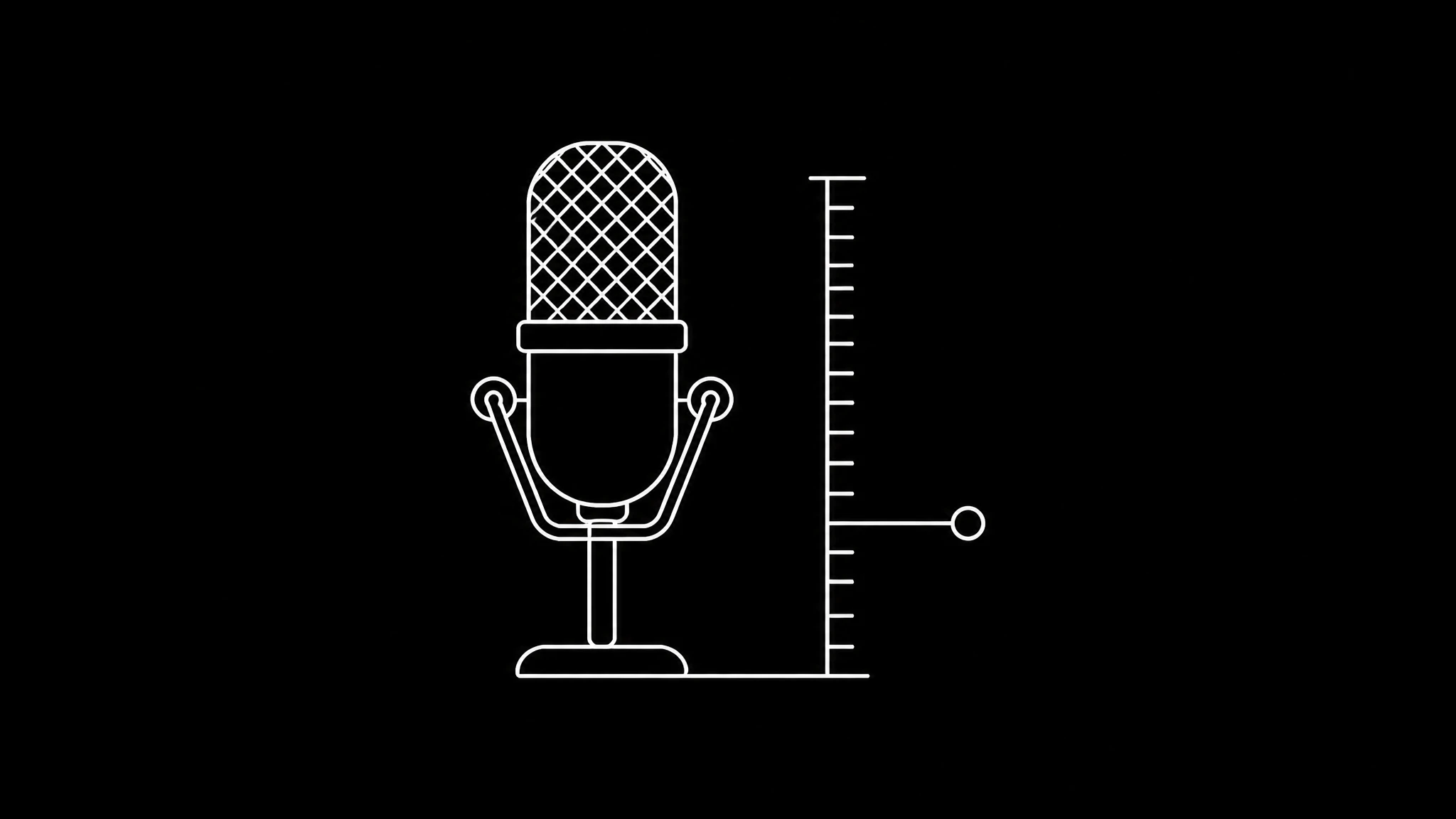
Why a short sample makes a flat clone
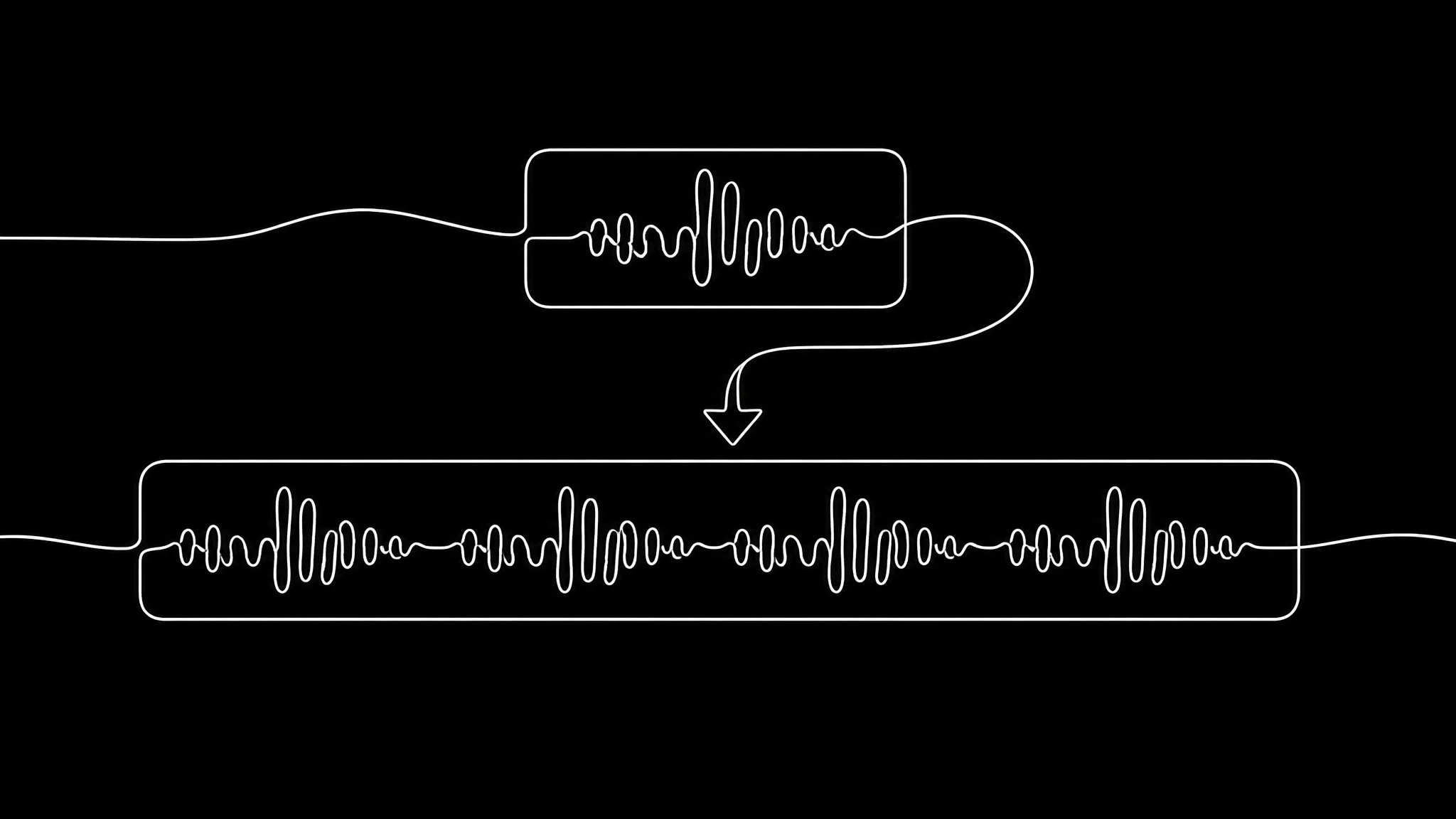
If your recording is under 5.6 seconds, it is not rejected. It is repeated until it reaches about 6.2 seconds, and that padded version is what the engine hears. That keeps the feature working, but a three second clip looped twice still holds three seconds of vocal information. The clone comes out thinner, flatter and prone to odd emphasis.
The floor is where quality starts, not where it lives. Say something with range in it, a question, a statement and a number, rather than one even sentence read at one pace.
The room matters more than the microphone
The engine copies the room along with the voice. Three things decide most of the result:
- Soft surfaces. Curtains, a sofa or a bed beat a good microphone in a room with bare walls.
- A steady distance. Moving closer and further mid sentence teaches the clone to do the same.
- Even loudness. If your levels swing, normalise the file first. ffmpeg's loudnorm filter does it in one command.
Match the problem to the cause
Most bad clones fall into one of these rows:
| What you hear | Cause | Fix |
|---|---|---|
| Flat, monotone delivery | The sample was one even sentence | Record again with a question, a statement and a number |
| Thin or robotic | The sample was under 5.6 s and got padded | Record 15 to 30 seconds |
| Echo or hiss on every line | The room or noise was in the sample | Record in a soft room, away from fans and traffic |
| Volume that jumps | Uneven levels in the sample | Normalise the file, then clone again |
| Some words come out wrong | Pronunciation, not the clone | Respell the word; see the pronunciation fixes |
What does not matter
An expensive microphone, a pop filter or recording inside a cupboard. A phone held at a steady distance in a carpeted room makes a good sample. If specific words still come out wrong once the clone is good, that is a text problem: see fix AI voice pronunciation.
When a preset is the better answer
There are 52 preset voices. Use one while you are drafting a script that may change, for videos that are not about you, or when you need two clearly different speakers, as in a two person podcast. Use your clone when the whole point is that it is you. Setup for both halves of your twin is in clone yourself.
Record a better sample in four steps
- 1
Pick a soft room
Curtains, carpet or a sofa nearby, and no fan or traffic noise.
- 2
Record 15 to 30 seconds with range
A question, a statement and a number, at a steady distance from the phone.
- 3
Normalise the levels
Even out the loudness so the clone does not learn the swings.
- 4
Clone again and test a hard line
Five credits. Test it on a sentence with names and numbers in it.
Voices on faces
Real renders. The voice drives the mouth, so a better clone is a better video.
Mollie
a podcast host
Christine
a presenter voice
Alex
talks from one photo
Frequently asked questions
Why does my AI voice clone sound robotic?
Usually the sample was too short. Under 5.6 seconds it is padded by repetition, so the engine only has a few seconds of real voice to learn from. Record 15 to 30 seconds and clone again.
How long should a voice clone sample be?
At least 5.6 seconds, which is the engine minimum, and ideally 15 to 30 seconds with some range: a question, a statement and a number.
Do I need a good microphone to clone my voice?
No. The room matters more. A phone at a steady distance in a carpeted room beats a good microphone in a room with bare walls.
Why is there echo in my cloned voice?
The echo was in the sample. The clone copies the room along with the voice, so record again somewhere with soft surfaces.
How much does it cost to clone my voice again?
Nothing. Saving a voice clone on Percify is free, so recording a better sample costs only your time.
Keep reading
Record it once, properly
Half a minute in a soft room, five credits, and every line after that sounds like you.