Quick Answer
The best AI lip sync software depends on your source, not on benchmarks. Photo driven tools work from a single image, video driven tools preserve an existing performance, and stock presenters give the most consistent sync but not your face. Across 179 of our renders, 720p cost 25.15 render seconds per second of audio against 7.62 for 480p fast, and about 9 percent of source clips were retried because the fault was in the footage rather than the model.
What decides lip sync quality, measured across 179 real renders: resolution costs 3.3x more than you think, and 9 percent of failures are the source, not the model.
Keep reading
Related next steps
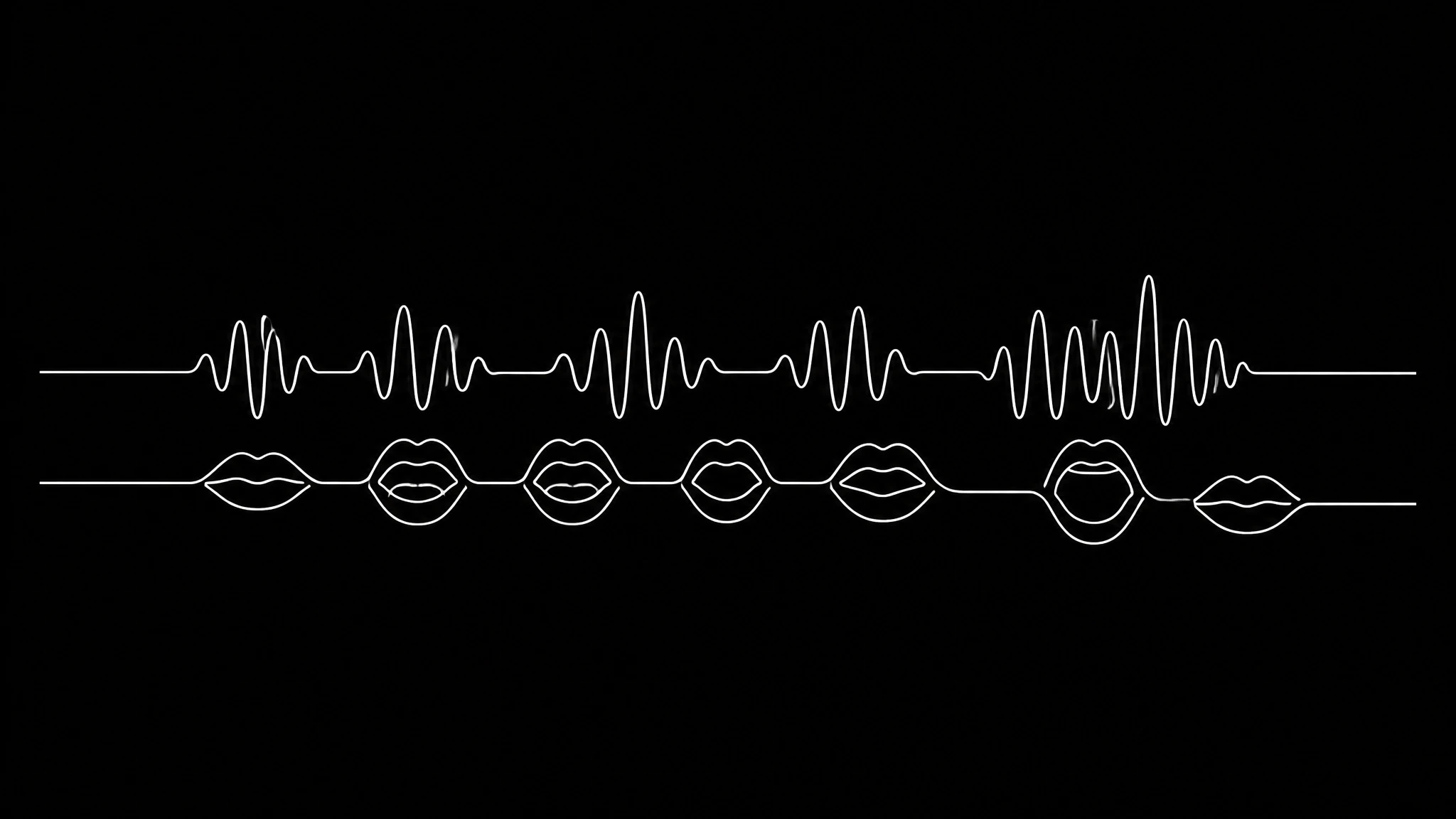
Lip sync software is judged on one thing that no feature list mentions: whether the mouth still matches the audio at second forty. Most tools look identical in a five second demo. The differences appear in length, in resolution, and in what the source footage was.
We run lip sync in production, so this is written from our own job records rather than from a features page. The numbers below come from 179 completed lip sync renders. Where a claim is about another product, it is taken from that vendor's own documentation and linked, and where a vendor publishes nothing, that is what it says. Software of this class is compared badly and often, so the checkable version is worth more than another ranked list.
What the 179 renders actually contain
Every completed render, grouped by the engine and resolution it ran on. "Render seconds per audio second" is the number that matters when you are planning: multiply it by the length of your clip. The same records drive our model catalogue, so a number here can be traced back to the engine that produced it.
| engine | resolution | renders | average audio | render seconds per audio second | average credits |
|---|---|---|---|---|---|
| InfiniteTalk fast | 480p | 107 | 33.1s | 7.62 | 65.9 |
| InfiniteTalk | 720p | 52 | 25.9s | 25.15 | 155.2 |
| InfiniteTalk | 480p | 14 | 23.4s | 11.23 | 93.4 |
Two things fall out of that table immediately, and both contradict how this category is usually sold.
Resolution costs more than the model does
Moving from 480p fast to 720p multiplies render time by 3.3 times and credits by 2.4 times. Staying on the same engine and dropping to 480p costs 11.23 seconds per audio second, still meaningfully slower than the fast variant at 7.62. It is also the setting most likely to surprise you on a bill, which is why the plan you are on decides how freely you can iterate.
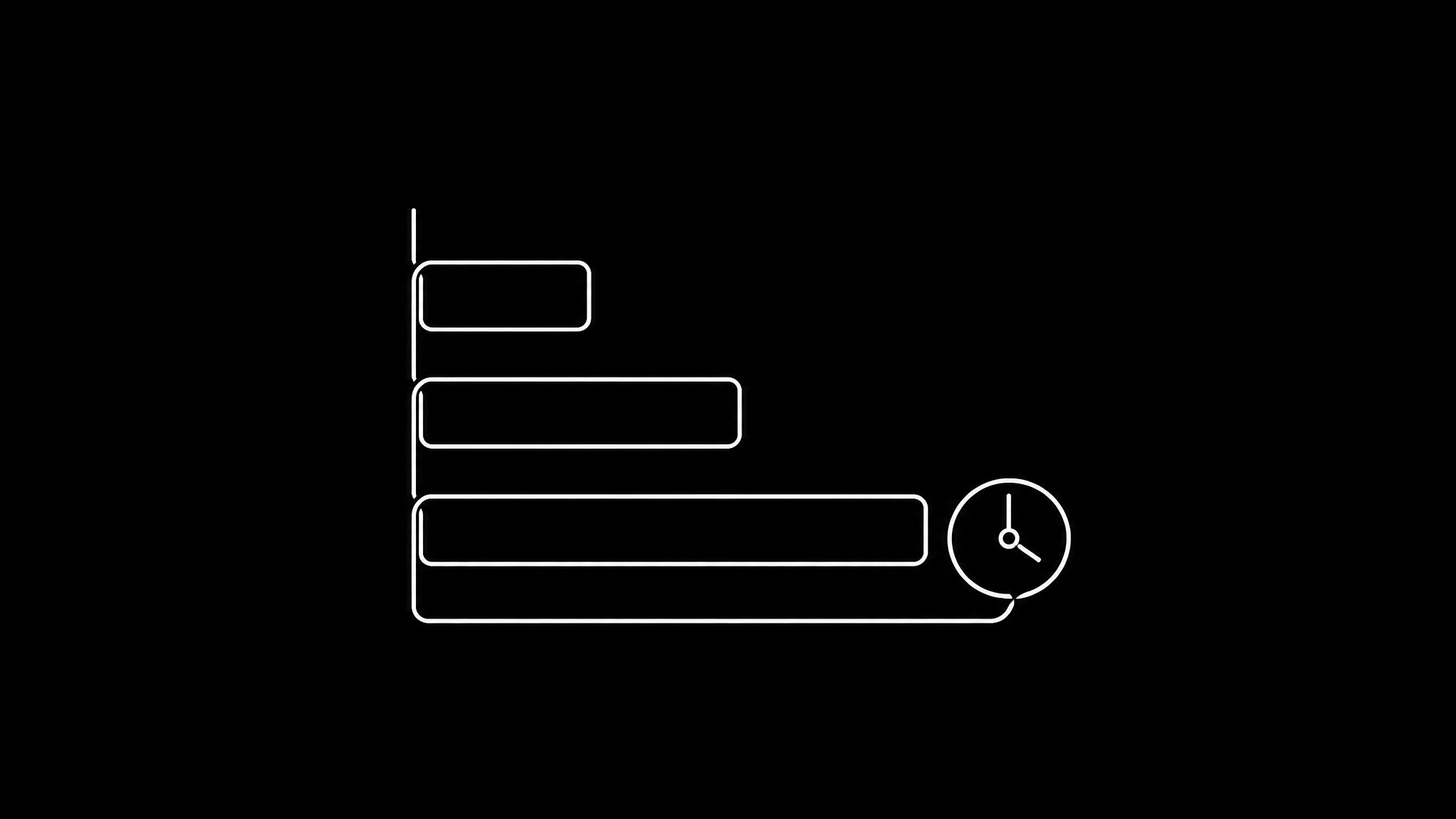
In practice: a 30 second clip finishes in about 3 minutes 49 seconds on 480p fast and about 12 minutes 34 seconds at 720p. That is the difference between iterating on a script and waiting on one. When you are still deciding what the avatar should say, the fast path is not a compromise, it is the only sane setting, and you can see the credit cost per render before you commit.
The reason so few comparisons mention this is that resolution is a slider, not a brand. It does not differentiate anybody's product, so nobody leads with it, yet it dominates both your time and your bill.
What 720p genuinely buys
Higher resolution helps exactly one thing: how many pixels land on the mouth. It does not improve the sync itself. If the mouth is small in frame, 720p gives the model more to work with and the result looks better. If the face already fills a third of the frame, the extra pixels are spent on the background and you paid three times over for them. If you are choosing a product rather than a setting, the lip sync app comparison is the faster read.
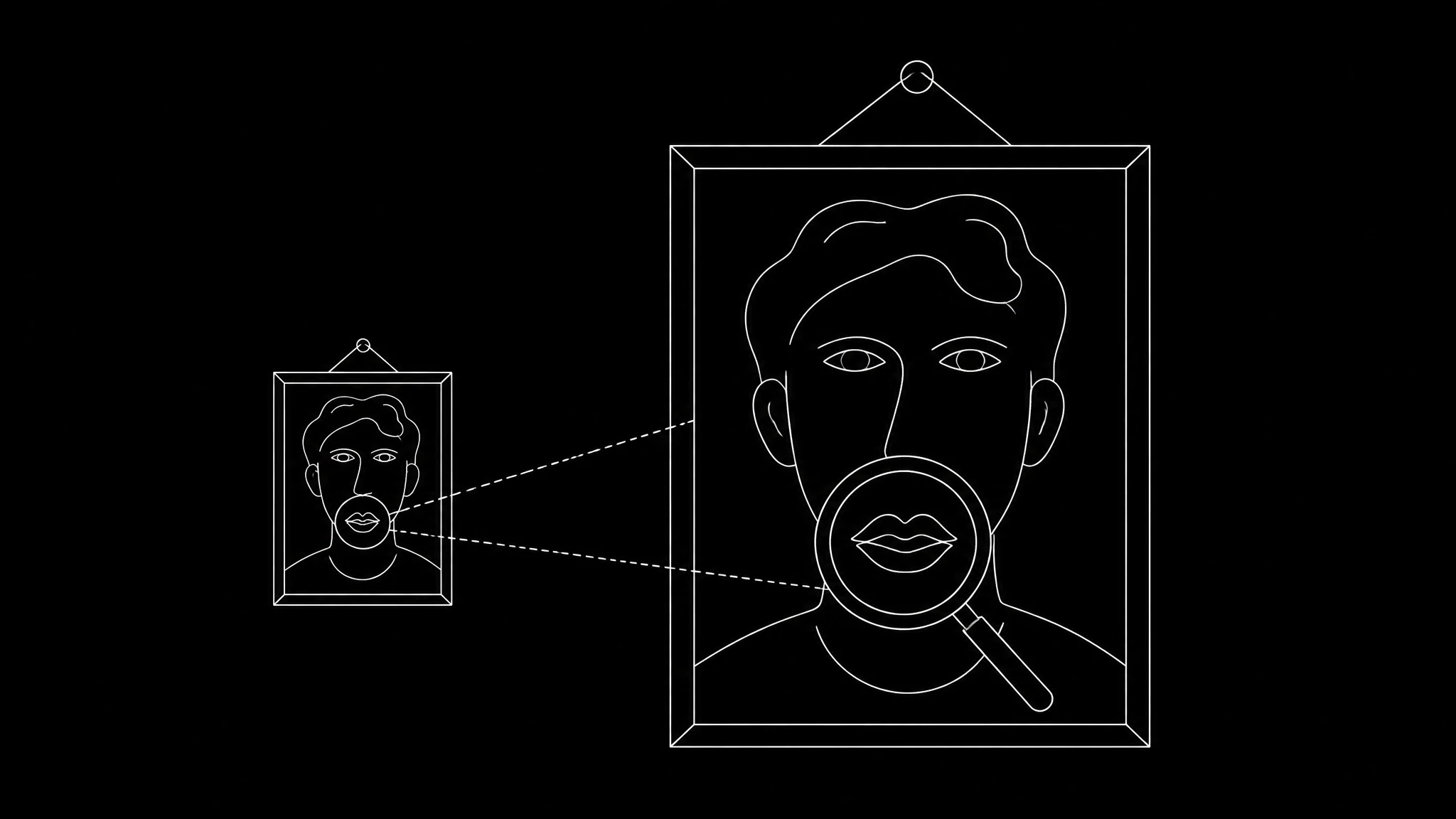
That is the whole rule, and it is why our own troubleshooting guide leads with face size rather than with settings. The same logic decides whether a clip is worth rendering at all.
The retry signal, and what it tells you
Across those renders, source images break down like this: 145 were used once, 13 were used twice, one was used three times and one was used five times.
The image somebody ran five times is the interesting one. Nobody repeats the same source five times because of a model problem. They do it because that particular clip cannot produce a good result and nothing told them why. About 9 percent of source images get retried, and almost every retry is a source problem being mistaken for a model problem.
This is the most useful thing in the dataset, and it is not something a vendor comparison can give you: the failure is usually upstream of the tool. Checking the source first is cheaper than any amount of engine shopping, and several free lip sync tools are good enough to test a difficult clip on before spending credits.
How the approaches actually differ
Lip sync products cluster into three designs, and the design predicts what they are good at more reliably than any benchmark.
Photo driven. One still image plus audio, and the model animates the mouth and some head motion. This is what we run, and what D-ID ↗ built its talking photo product around. It is the cheapest way to get a specific person on camera, and it is the only approach that works when you have no footage at all.
Stock presenter. A library of pre filmed actors, and you supply a script. Synthesia ↗ is the clearest example. Sync quality is high because the source footage was filmed for the purpose, but the person on screen is not you, which rules it out for anything personal.
Video driven. You supply footage of a real person and the model re times the mouth to new audio. This is what dubbing pipelines use, and it is the hardest of the three because the model has to preserve a performance while changing it. Our dubbing walkthrough covers where that goes wrong.
Which one you want is decided by what you already have, not by which scores better. If you have a photo, the first is your only option. If you have footage, the third preserves far more of the original. A wider comparison of avatar platforms covers how these designs map onto specific products.
Audio is half the problem and gets none of the attention
Lip sync models generate mouth shapes from phonemes. If the audio is unclear, the phonemes are ambiguous and the mouth guesses. Every symptom that looks like a video problem, mouths that move too little, shapes that are close but wrong, motion that lags slightly behind, is frequently an audio problem wearing a video costume. This is the same failure mode that makes translated audio drift in dubbing, where the timing changes but the mouth does not.
Three audio properties matter more than any model setting:
Clean speech. Background music and room reverb both blur phoneme boundaries. A voice recorded into a phone in a quiet room outperforms a studio recording with music under it.
Consistent level. A track that swings between loud and quiet gives the model inconsistent evidence. Normalising with ffmpeg ↗ costs nothing and removes a whole class of failure.
Real pauses. Speech with no gaps gives the mouth nowhere to close. Synthetic voices often run sentences together, which is why some voice generators hold phoneme detail better than others for this specific job.
Frame rate, which survives everything
Frame rate passes through the whole pipeline untouched and is almost never mentioned. A source at 24fps and audio timed to 30fps drift apart slowly, and the drift is invisible in the first few seconds and obvious by the end. That is precisely the failure that makes people say sync "degrades", when nothing degraded and the two clocks were never the same. Anything you publish afterwards inherits it too, so it is worth settling before you read the platform upload rules.
Settle it before anything else. The MediaInfo ↗ tool reads it off any file in a second, and software compared on lip sync quality will not save you from a mismatch you brought in yourself.
The thirty second check, before you spend anything
Run these against your source before rendering. They cost nothing and they catch most of the 9 percent. Running these is also the cheapest way to tell a source problem from an engine problem, which is the distinction the troubleshooting guide is built around.
- Face width. Is the face at least a quarter of the frame width? If not, either crop in or accept that 720p is now mandatory rather than optional.
- Mouth visibility. Anything crossing the mouth, a hand, a microphone, hair, a scarf, is a hard failure. The model cannot reconstruct what it cannot see.
- Head motion. Fast head movement fights the mouth reconstruction. Slight motion is fine and looks natural; a talking head that turns sharply is not.
- Audio clarity. Play it at low volume. If you struggle to make out words, the model will too.
- Frame rate match. Confirm the source rate and keep everything on it.
A clip that fails two of these is cheaper to reshoot than to retry, and the rules for good source footage describe what to shoot toward.
Where each option actually fits
For a single person talking to camera from one photo, photo driven is the shortest path and the avatar tools comparison covers which of them include commercial rights.
For recurring corporate video where the presenter does not need to be a specific person, stock presenters win on consistency and nothing else comes close.
For localising footage you already own, video driven is the only approach that keeps the original performance, and dubbing for marketing teams covers the workflow around it.
For anything published commercially, check the watermark and licence position first. It varies more between products than sync quality does, and it is the difference between a usable video and an unusable one. Our watermark policy comparison lists where each product stands.
What none of it handles well
Being specific about limits is more useful than another feature table. Consent and disclosure are separate questions from capability, and what to check before publishing covers those.
Singing. Sustained vowels and held notes are not what these models were trained on. Results are consistently poor across every engine we have run.
Two people in frame. The models expect one face. A second face produces unpredictable results, usually the wrong mouth moving.
Heavy accents against a mismatched language track. Phoneme sets differ between languages, and the model resolves toward what it knows.
Profile views. Anything much past three quarters and the mouth geometry stops being reconstructable.
These are engine limits rather than product limits, so a competitor claiming otherwise is worth testing before believing. The model list records which engine produced a given render, which is the only way to attribute a result honestly.
Choosing, in one line
If you have a photo and want speed, run 480p fast and spend the savings on more takes. If the face is small in frame, pay for 720p and accept the wait. If your clip fails two of the five checks above, no engine on the market will rescue it, and the fastest fix is a better thirty seconds of source. You can try a render ↗ before deciding, and the flows page shows where lip sync sits in a longer pipeline.
Ready to Create Your Own AI Avatar?
Make a talking video of yourself from one photo, in your own voice. No watermark on any plan.
Cancel anytime from your profile
Got questions?
Frequently asked
It depends on what you already have. If you have one photo, a photo driven tool is the only option that works. If you have footage of a real person, a video driven tool preserves the original performance. If the presenter does not need to be a specific person, stock presenter tools give the most consistent sync because the source footage was filmed for that purpose. Sync quality between the leading engines matters less than matching the approach to your source.
Almost always a frame rate mismatch rather than model quality. A source at 24fps with audio timed to 30fps drifts apart gradually, so it looks correct for the first few seconds and wrong by the end. Check the source frame rate with a tool like MediaInfo and keep the whole pipeline on one rate.
Only indirectly. Resolution decides how many pixels land on the mouth, not how accurate the sync is. If the face is small in frame, 720p gives the model more to work with. If the face already fills a third of the frame, the extra pixels go to the background. Across 179 of our renders, 720p cost 25.15 render seconds per second of audio against 7.62 for 480p fast, a 3.3 times difference.
Measured across 179 completed renders: about 7.62 render seconds per second of audio on 480p fast, and about 25.15 on 720p. A 30 second clip therefore takes roughly 3 minutes 49 seconds on the fast path and about 12 minutes 34 seconds at 720p.
Because the problem is usually in the source, not the model. In our records about 9 percent of source images were run more than once, and one image was run five times. Check face width, whether anything crosses the mouth, head motion speed, audio clarity and frame rate before rendering again. A clip failing two of those is cheaper to reshoot than to retry.
Not well, on any engine we have run. Sustained vowels and held notes are outside what these models were trained on, and results are consistently poor. The same applies to two faces in frame and to profile views past about three quarters.